Wandering Through Isfahan’s Bazaars: Where Every Souvenir Tells a Story
Isfahan isn’t just a city of stunning mosques and grand squares—it’s a living marketplace where history, art, and daily life intertwine. As one wanders through its ancient bazaars, the senses are met with a symphony of colors, scents, and sounds that speak of centuries-old traditions. The air carries the warmth of saffron and cedarwood, the rustle of silk echoes in vaulted corridors, and the hands of artisans move with quiet precision, crafting objects that have defined Persian culture for generations. This is more than shopping—it’s an intimate encounter with heritage, where every carpet, trinket, and spice tells a story of identity, patience, and pride.
The Heartbeat of Isfahan: Exploring the Grand Bazaar
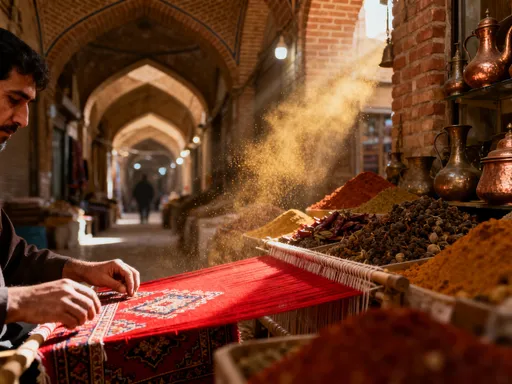
At the heart of Isfahan lies Naqsh-e Jahan Square, a UNESCO World Heritage site and one of the largest public squares in the world. Surrounding this majestic plaza is an intricate network of covered bazaars that have thrived for over 400 years. The Grand Bazaar of Isfahan is not merely a marketplace—it is a living artery of the city, where commerce, conversation, and culture flow seamlessly through its stone-paved corridors. With high brick arches, hand-plastered walls, and skylights that cast dappled light on the ground, the bazaar feels like stepping into a timeless labyrinth designed for discovery.
Merchants call out in measured tones, offering samples of dried fruits or inviting passersby to examine hand-tooled leather bags. The scent of warm bread from nearby ovens mingles with the sharp tang of cumin and dried limes. Every turn reveals a new specialty: one alley dedicated to mirrors framed in engraved brass, another to rows of iridescent tiles used in mosque decoration. The bazaar is divided into sections known as qaysariyyas, each historically reserved for specific crafts or goods, preserving the traditional guild system that once governed Persian trade.
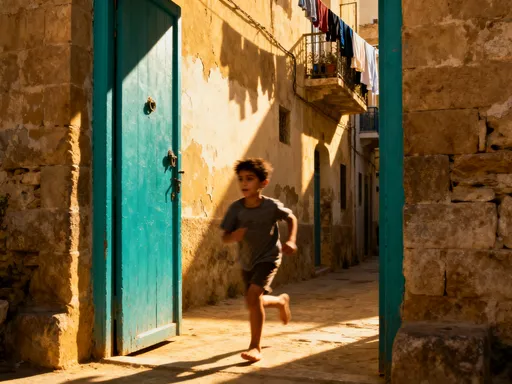
What sets this marketplace apart is its role as a social nucleus. Men gather in small tea stalls tucked between shops, sipping from delicate glass cups while discussing everything from weather to poetry. Women in colorful headscarves browse fabric stalls, running fingers over bolts of brocade and cotton to assess quality. Children dart through the lanes, chasing pigeons or pausing to watch a coppersmith hammer a tray into shape. The bazaar is not just where people buy things—it’s where they meet, connect, and sustain community life.
For travelers, navigating the bazaar can feel both exhilarating and overwhelming. Maps are rarely helpful; the best way to explore is to surrender to the maze and let curiosity lead. Yet even in its complexity, the bazaar is remarkably safe and welcoming. Shopkeepers are accustomed to visitors and often greet them with a warm smile and an offer of tea. The atmosphere is one of dignified hospitality, rooted in the Persian tradition of taarof—a courteous form of respect and generosity that makes every interaction feel personal.
Treasures of Persian Craft: What Makes Isfahan’s Goods Unique
Isfahan has long been revered as a center of Persian artistry, and its bazaars are living galleries of craftsmanship passed down through generations. Unlike mass-produced souvenirs found in tourist hubs around the world, the items here bear the mark of human hands and centuries of refinement. The city’s artisans are not merely workers—they are custodians of a cultural legacy, preserving techniques that have shaped Iran’s artistic identity.
Among the most celebrated crafts are hand-knotted carpets, Khatam Kari (Persian inlay work), and Minakari (enamelware). Each of these requires years of apprenticeship and near-obsessive attention to detail. A single carpet may take months or even years to complete, with weavers following patterns memorized from childhood. Khatam Kari artists spend days cutting and assembling tiny rods of wood, bone, and brass into geometric mosaics so precise they appear machine-made—yet every piece is fitted by hand.
What makes these goods truly unique is their integration of beauty and meaning. Patterns are rarely random; they carry symbolism drawn from Persian poetry, Islamic geometry, or natural motifs like the cypress tree and nightingale. Even the colors have significance—deep indigo for protection, crimson for vitality, ivory for purity. These elements are not added for decoration alone; they reflect a worldview that values harmony, balance, and spiritual depth.
Visitors who take the time to speak with artisans often leave with more than an object—they gain insight into a way of life. In a small workshop tucked behind the spice alley, an elderly Minakari master might explain how his father taught him to mix cobalt and copper to achieve the perfect turquoise. In another corner, a young woman embroidering a silk shawl may describe how her village in the Zagros Mountains has preserved the same floral patterns for over two centuries. These stories transform souvenirs into heirlooms, connecting the buyer to a lineage of creativity and resilience.
From Loom to Living Room: The Art of Isfahan’s Carpets and Rugs
No visit to Isfahan is complete without encountering its world-renowned carpets. Revered for their fine weave, intricate designs, and rich, natural dyes, Isfahan rugs are considered among the finest in the Persian carpet tradition. Traditionally woven from high-quality wool or silk, these carpets are not only decorative but functional works of art, designed to endure for generations.
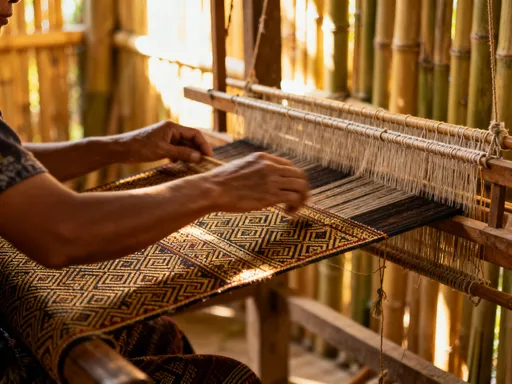
The weaving process begins with the preparation of yarn, which is spun and then dyed using natural sources such as pomegranate rind, walnut shells, and indigo plants. The colors achieved through these methods are deeper and more luminous than synthetic dyes, aging gracefully over time rather than fading. Once dyed, the yarn is loaded onto a vertical loom, where the weaver begins the painstaking task of knotting each thread by hand. A single square meter of a fine silk carpet can contain over a million knots, each tied individually with a tiny hook.
Common designs include the central medallion motif, often surrounded by floral vines and corner pieces that mirror the main pattern. Garden scenes, inspired by Persian poetry’s ideal of paradise, are also prevalent—symbolizing abundance, beauty, and divine order. Some carpets feature hunting scenes or depictions of royal courts, reflecting historical narratives that once adorned palaces.
Carpet merchants in the bazaar often invite visitors into back rooms where rolls of rugs are stored. One by one, they unfurl each piece, explaining its origin, age, and craftsmanship. A seasoned seller can identify the region of production by the knot style, the type of wool, and even the dye composition. For travelers, this is an opportunity to learn how to distinguish quality: look for evenness in the weave, clarity in the design, and a slight sheen that indicates silk content.
To avoid overpaying, it is wise to visit multiple shops, observe how locals interact with sellers, and ask for explanations in simple terms. Bargaining is expected, but it should be done respectfully, as part of the cultural exchange. The goal is not to win a deal but to reach a fair agreement that honors the labor behind the craft. When purchased thoughtfully, an Isfahan carpet becomes more than floor covering—it becomes a vessel of history, art, and human dedication.
Hidden Hands, Visible Beauty: Discovering Khatam Kari and Minakari
Among the most mesmerizing crafts in Isfahan are Khatam Kari and Minakari—two art forms that exemplify the Persian love for precision and ornamentation. Khatam Kari, the art of inlaid woodwork, involves assembling thousands of tiny rods of wood, camel bone, brass, and silver into intricate geometric patterns. These are then glued onto boxes, frames, and musical instruments, creating surfaces that shimmer like mosaics under light.
The process is astonishingly meticulous. Artisans first cut rods into exact diameters, often no thicker than a pencil lead. These are arranged in six-sided bundles, glued, dried, and sliced into thin cross-sections that reveal star-like or floral patterns. Each slice is then hand-placed onto a wooden base, sealed with resin, and polished to a glassy finish. A single small box may require hundreds of these slices, assembled over days or weeks. The result is a piece that feels both ancient and futuristic—rooted in tradition yet visually timeless.
Minakari, or enamelwork, is equally demanding. Artisans paint delicate designs onto copper or silver surfaces using powdered glass pigments, then fire them in kilns at high temperatures. The process is repeated multiple times, with each layer adding depth and brilliance. Common motifs include birds, flowers, and Persian calligraphy, often rendered in vibrant blues, reds, and greens. A slight mistake in temperature or brushstroke can ruin the entire piece, making this one of the most unforgiving crafts in the bazaar.
Visitors can observe these arts in small ateliers tucked within the bazaar’s side alleys. Many are family-run, with fathers teaching sons or grandmothers guiding grandchildren. In one workshop, a young apprentice might be seen sanding a Khatam box under the watchful eye of a master. In another, an elderly woman carefully outlines a nightingale on a copper tray, her hand steady despite decades of work. These spaces are not staged for tourists—they are real places of labor and pride.
Both Khatam Kari and Minakari make meaningful souvenirs because they embody patience, skill, and cultural continuity. A small inlaid pen holder or enamel trinket box carries within it the quiet rhythm of hands that have shaped beauty from tiny, deliberate actions. They are not just decorative; they are testaments to a tradition that values precision, beauty, and the dignity of craft.
Spices, Saffron, and the Scent of Tradition
One of the most sensory-rich experiences in Isfahan’s bazaar is wandering through the spice lanes. Here, the air is thick with the fragrance of earth, fire, and bloom. Mounds of crimson saffron, golden turmeric, and deep red paprika spill from burlap sacks, arranged in rainbow-like displays that captivate the eye. Dried rose petals, sumac berries, and dried limes hang in woven baskets, releasing their aromas with every passing breeze.
Saffron, in particular, holds a special place in Persian culture. Known as “red gold,” it is one of Iran’s most prized exports and a cornerstone of its cuisine. Harvested by hand from the delicate stigma of the crocus flower, it takes over 150,000 flowers to produce just one kilogram of saffron. The process is labor-intensive and time-sensitive, done at dawn when the blooms are fresh. Isfahan, along with neighboring Khorasan, is one of the key regions for high-quality saffron production.
In the bazaar, reputable spice sellers often offer visitors a taste of saffron tea—a pale gold infusion with a subtle floral aroma and a hint of honeyed bitterness. This simple act opens a conversation about grading, authenticity, and usage. Real saffron threads should be deep red with a slight orange tip; they release color slowly in warm water and have a distinctive, non-metallic scent. Counterfeit saffron, often made from dyed corn silk or safflower, fades quickly and lacks fragrance.
For travelers, buying spices in Isfahan offers a direct connection to Persian culinary traditions. Saffron elevates dishes like chelo kabab and sholeh zard (saffron rice pudding), while dried limes add depth to stews. Many shops offer vacuum-sealed packages suitable for international travel, and customs regulations generally allow personal quantities. Still, it is wise to keep receipts and declare items if required.
Beyond their culinary value, spices in the bazaar represent a deeper cultural rhythm—the knowledge of seasons, harvests, and healing. Shopkeepers often share family recipes or explain how certain herbs are used in traditional remedies. This exchange transforms a simple purchase into a moment of cultural sharing, where flavor becomes a language of memory and care.
Beyond the Tourist Trail: Finding Authenticity in Local Shops
As tourism grows, so does the presence of mass-produced souvenirs in Isfahan’s bazaar. Fake Persian rugs, machine-made trinkets, and imported goods labeled as “handmade” can mislead even careful travelers. Distinguishing genuine craftsmanship from imitation requires patience, observation, and a willingness to look beyond the most visible storefronts.
One of the best ways to find authenticity is to follow the locals. Notice where residents shop, where they haggle with familiarity, and where artisans sit at open workbenches. Family-run stalls tucked in quieter alleys often offer the most honest prices and the richest stories. Some of the finest Khatam Kari boxes are sold not in glossy boutiques but in dimly lit corners where the craftsman himself polishes the final piece as customers browse.
Another reliable option is to visit guild shops or cooperatives supported by cultural preservation organizations. These spaces often display certificates of origin, employ master artisans, and reinvest profits into training new generations. They may charge slightly more, but the value lies in knowing that the purchase directly supports sustainable craftsmanship.
Engaging respectfully with sellers is equally important. Rather than treating the bazaar as a marketplace to be conquered, approach it as a place of dialogue. Ask questions: Where was this made? How long did it take? Who made it? Many artisans are eager to share their knowledge if met with genuine interest. A simple “chetor sakhteh mishavad?” (“How is it made?”) can open a conversation that lasts far longer than the transaction itself.
Slow, intentional shopping also means resisting the urge to buy everything at once. Take time to compare, reflect, and return to pieces that truly resonate. A meaningful souvenir is not one that fills a suitcase, but one that carries a story worth remembering.
Carrying Culture Home: The Meaning Behind the Purchase
In an age of globalized commerce, the act of buying a handmade object from Isfahan’s bazaar carries deeper significance. It is not just about owning something beautiful—it is about participating in a tradition of cultural continuity. Each carpet, enamel box, or vial of saffron represents more than a product; it is a thread in the fabric of Persian life, woven with history, identity, and human care.
Travelers have a responsibility to engage with this heritage respectfully. Cultural appreciation means understanding the context behind what is being purchased, acknowledging the labor involved, and avoiding commodification. It means choosing authenticity over convenience and valuing the story as much as the object.
Supporting genuine artisans also contributes to the preservation of endangered crafts. As younger generations move toward urban jobs and digital economies, traditional skills risk fading. Every thoughtful purchase helps sustain workshops, fund apprenticeships, and affirm the value of handmade work in a world increasingly dominated by machines.
When you bring a piece of Isfahan home, you are not just decorating a shelf—you are honoring a legacy. That small Khatam Kari box on your desk, the saffron in your kitchen, the carpet beneath your feet—they become silent storytellers, reminding you of vaulted bazaars, skilled hands, and the quiet dignity of a culture that measures worth not in speed or profit, but in patience, beauty, and connection.
The journey through Isfahan’s bazaars is ultimately a journey inward—a chance to slow down, observe deeply, and connect with a way of life that values craftsmanship, community, and meaning. In a world that often feels fleeting, these markets stand as enduring testaments to what lasts. And when you leave with a souvenir in hand, you carry more than an object. You carry a piece of a story—one that began long before you arrived, and will continue long after you’ve gone.