Taste the Island: Where Food Meets Architecture on Kangaroo Island
Kangaroo Island isn’t just about wildlife and wild landscapes—this hidden gem down under serves up something far more surprising: a culinary journey wrapped in stunning architecture. From coastal timber lodges to minimalist farm-to-table restaurants, every bite comes with a view, and every building tells a story. I never expected that food and design could blend so perfectly in such a remote paradise. The island, located off the coast of South Australia, offers more than scenic cliffs and sea lions—it invites travelers into a world where dining is not only nourishing but deeply connected to place. Here, architecture does not dominate the landscape; it listens to it. And the food? It speaks directly of the soil, the sea, and the seasons. This is not tourism as usual—it’s a sensory pilgrimage.
Arrival on Kangaroo Island: First Impressions of a Culinary Escape
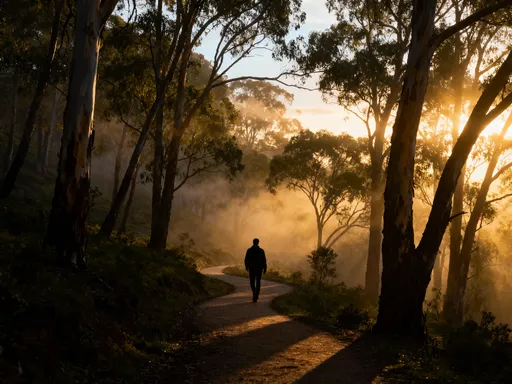
The journey to Kangaroo Island begins with a quiet shift in pace. As the ferry departs from Cape Jervis, the mainland’s noise fades behind the rhythm of waves and the occasional call of a seabird. This transition—from urban rush to island stillness—prepares visitors for what lies ahead: a destination shaped by nature, not convenience. Upon arrival at Penneshaw, the island’s primary port, one is met not with crowds or concrete, but with open roads flanked by eucalyptus trees and the scent of wild herbs carried on the breeze. The architecture here speaks softly. Small cafes built from reclaimed timber and corrugated iron dot the roadside, their designs humble yet intentional. These are not generic chain eateries but locally rooted spaces where material and form reflect the island’s spirit.
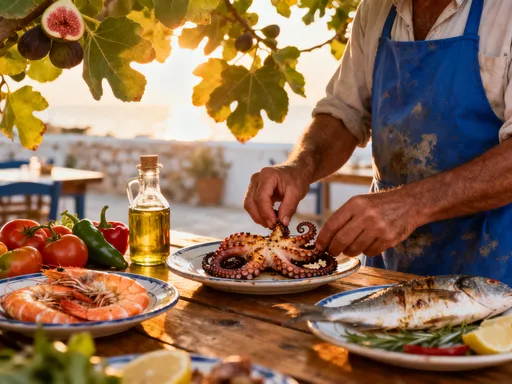
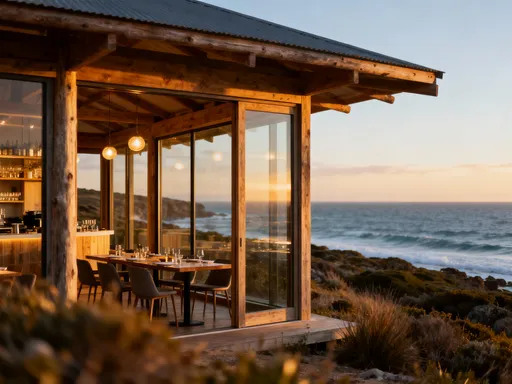
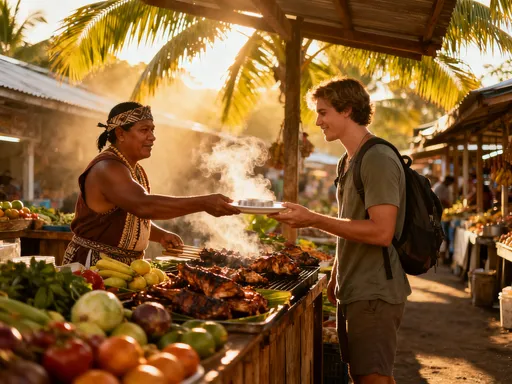
The first meal on the island often becomes a revelation. At a modest seaside shack near Emu Bay, fresh oysters are shucked to order and served on wooden platters with a squeeze of lemon and a dash of native pepperberry. The structure itself is simple—a weathered timber frame with wide openings to the ocean—but its placement is masterful. Diners sit on recycled timber stools, feet nearly brushing the sand, as waves roll in just meters away. The view is unobstructed, the air crisp, and the flavor of the oyster briny, clean, and alive. In that moment, it becomes clear: this is not just a meal. It is an experience shaped by location, design, and season. The architecture doesn’t distract; it directs attention—to the water, to the sky, to the taste on your tongue.
What makes this synergy powerful is its authenticity. There is no attempt to imitate urban sophistication or global trends. Instead, the island’s culinary spaces embrace their context. They are built to withstand the elements, yes, but also to celebrate them. Wind, light, and salt are not enemies to be shut out but collaborators in the design process. This honesty extends to the food philosophy: ingredients are local, preparation is respectful, and presentation is understated. The message is clear from the start—on Kangaroo Island, eating is not separate from living. It is part of the same rhythm.
The Farm-to-Table Movement in Architectural Form
Kangaroo Island has redefined what farm-to-table truly means—not just as a menu promise, but as a physical reality. Across the island’s rolling pastures and fertile valleys, restaurants are not merely supplied by farms; they are farms. The boundary between growing and serving dissolves in spaces where glass walls reveal herb gardens just steps from the dining table, and open kitchens allow guests to watch chefs pull vegetables straight from the soil minutes before cooking. One of the most compelling examples is a converted wool shed near Kingscote, once used for shearing sheep, now transformed into a celebrated dining destination. Its high timber beams, wide plank floors, and stone hearth retain the soul of the original structure while supporting a modern culinary vision.
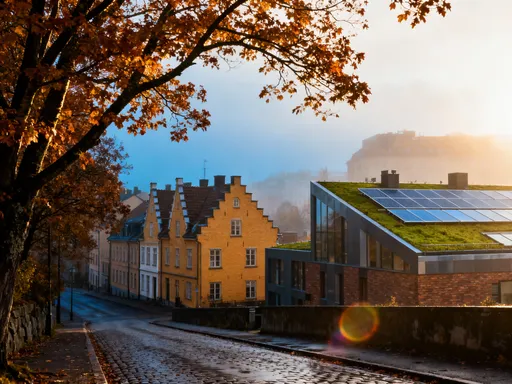
Here, the menu changes weekly, sometimes daily, depending on what is ready for harvest. One evening might feature roasted beetroot from the garden paired with whipped goat cheese and a drizzle of local honey; the next, slow-cooked lamb from nearby pastures, seasoned with wild thyme and served with wood-fired potatoes. The ingredients are not labeled as 'organic' or 'artisanal' because those terms are assumed—they are simply the standard. The architecture reinforces this transparency. Solar panels are integrated into the roofline, not hidden. Rainwater tanks stand visible beside the building, feeding irrigation systems that sustain the gardens. Even the lighting is designed with care: low-wattage, warm-toned fixtures reduce light pollution, preserving the darkness of the night sky.
This integration of sustainability into both food and form builds a deep sense of trust. Guests are not told that the food is fresh—they see it growing. They don’t just hear about sustainable practices; they walk past compost bins, solar arrays, and chicken coops on their way to their table. The experience is immersive. It asks diners to slow down, to observe, to understand. In a world where 'farm-to-table' has become a marketing slogan, Kangaroo Island restores its original meaning: a full-circle relationship between land, labor, and plate. The building, in this case, is not just a container for food—it is a teacher.
Coastal Eateries: Design That Respects the Wild
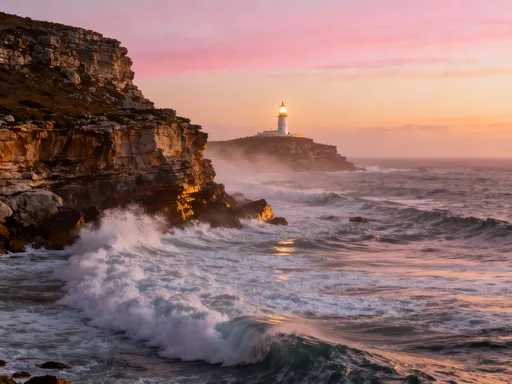
Along the southern coast of Kangaroo Island, where the Southern Ocean crashes against ancient cliffs, architecture takes on a new role: protector and interpreter. The eateries here are built to endure—exposed to salt spray, fierce winds, and relentless sun—but they do not fight the environment. Instead, they respond to it with grace and intelligence. One such example is a small seafood restaurant perched above the famous Remarkable Rocks, a geological wonder shaped by wind and water over millions of years. The building’s curved walls mirror the natural formations below, creating a dialogue between human design and natural sculpture. Its low profile ensures it does not dominate the skyline, while floor-to-ceiling glass offers uninterrupted views of the churning sea.
Inside, the design continues to serve both comfort and connection. The ceiling is lined with sustainably harvested timber, its grain echoing the ripple patterns in the rocks outside. Ventilation is passive, using strategic openings to capture sea breezes without mechanical cooling. The kitchen is compact but efficient, allowing chefs to prepare dishes with minimal delay between catch and plate. The menu is simple: abalone harvested under strict quotas, wild-caught tuna seared with lemon myrtle, and mussels steamed in a broth flavored with kelp. Seasoning is minimal. The belief is clear—when ingredients are this fresh, they need little enhancement.
The emotional impact of dining here is profound. Guests sit in warmth and shelter, yet feel the raw power of nature just beyond the glass. A storm rolling in across the horizon becomes part of the meal. The sound of waves, the shift of light, the cry of gulls—all contribute to the experience. This balance—between safety and exposure, refinement and wildness—is mirrored in the cuisine. The food is bold but clean, rich but not heavy, deeply rooted in place. It does not imitate international trends. It listens to the land and the sea and responds with honesty. In this way, the architecture does more than house a restaurant; it frames a philosophy.
Artisanal Producers in Thoughtfully Designed Spaces
Scattered across Kangaroo Island’s hills and valleys are small pavilions dedicated to craft: cheese makers, winemakers, beekeepers, and bakers who turn local ingredients into edible art. These are not commercial factories but intimate spaces designed for experience as much as production. A goat dairy outside of American River features a tasting room with a living roof covered in native grasses and wildflowers. From a distance, the building nearly disappears into the landscape, emerging only as a subtle curve in the terrain. Inside, the air carries the clean, tangy scent of fresh chèvre. Long tables made from reclaimed timber hold platters of cheese served with locally baked sourdough, fig jam from on-site trees, and honey harvested just meters away.
The design encourages slowness. Wide verandas shaded by deep eaves invite guests to linger with a glass of chilled white wine as kangaroos graze in the distance. There are no loudspeakers, no flashing screens, no rush to turn tables. Time moves differently here. The architecture supports this rhythm with natural light, cross ventilation, and materials that age gracefully. Floors are made of polished concrete, cool underfoot in summer. Windows are placed to capture morning sun and afternoon breezes. Even the restroom signs are hand-carved from driftwood, each one unique.
These spaces are not just functional—they are emotional. They invite connection: to the maker, to the land, to the moment. At a small winery in the north, visitors taste shiraz and sauvignon blanc in a pavilion built around a single, ancient gum tree. The trunk rises through the roof, a living column connecting earth and sky. The winemaker, often present, speaks of vintages not in technical terms but in stories—of wet winters, dry summers, and the resilience of vines. The experience is personal, humble, and deeply satisfying. It reminds visitors that food and drink are not just commodities but expressions of care, time, and place.
Sustainable Materials and Local Craftsmanship
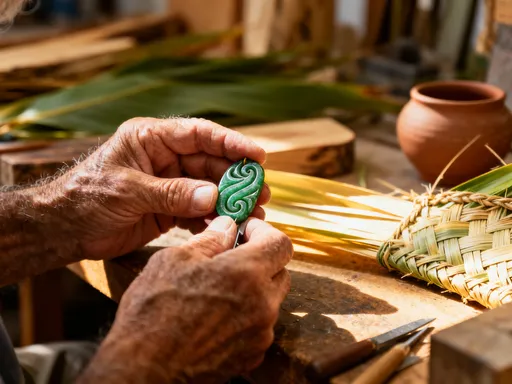
The buildings that house Kangaroo Island’s culinary experiences are themselves works of craftsmanship. Unlike mass-produced developments, these structures rely on local stone, sustainably harvested timber, and hand-forged metalwork. Builders often collaborate with artisans who use traditional techniques passed down through generations. At a seaside café near Vivonne Bay, door handles are forged from recycled iron by a local blacksmith, each one shaped to resemble a wave. Tables are milled from fallen eucalyptus trees, their knots and grain patterns preserved as features, not flaws. Tiles in the kitchen are made from clay dug from the property, fired in a small kiln on-site.
These details are not decorative—they are foundational. They reduce the carbon footprint of construction, support local livelihoods, and ensure that each building belongs to its place. Even small touches matter: light fixtures made from repurposed glass bottles, benches built from salvaged wharf timbers, and menus printed on recycled paper with soy-based ink. The commitment to sustainability is not performative; it is practical and pervasive. It extends to the food as well. Chefs plate dishes with the same attention to detail as the builders used in laying stone or shaping wood. A slice of quince tart might be served on a handmade ceramic plate, its glaze reflecting the colors of the island’s sunsets—amber, rose, and deep violet.
This harmony between craft and cuisine creates a multisensory experience. Guests don’t just eat; they see, touch, and feel the story behind their meal. They understand that the honey on their toast was gathered by bees that pollinated local tea trees, that the salt on their fish was harvested from sea spray evaporated in solar ponds. The architecture amplifies this awareness. It doesn’t hide the processes; it celebrates them. In doing so, it fosters a deeper appreciation—not just for the food, but for the people and practices that make it possible.
Balancing Tourism Growth with Authenticity
As Kangaroo Island gains recognition as a premier food and travel destination, the pressure to expand is real. Yet, unlike many places that sacrifice character for convenience, the island has taken a different path. New developments are guided by strict design principles aimed at preserving the island’s unique identity. Building codes require low profiles, natural materials, and minimal light pollution. Structures must blend into the landscape, not dominate it. These regulations are not arbitrary—they are born from a collective understanding that the island’s value lies in its authenticity.
Innovative solutions are emerging. One summer-only dining experience operates from a series of recycled shipping containers painted in earthy tones—ochre, sage, and charcoal. Arranged in a loose circle around a central fire pit, the containers house a kitchen, bar, and dining area. The menu changes daily, featuring indigenous-inspired dishes such as wattleseed damper, finger lime seafood salads, and desserts infused with lemon myrtle. The entire structure is temporary, dismantled at the end of the season to allow the land to rest. It is a model of low-impact tourism—flexible, respectful, and deeply seasonal.
Other new projects embrace modular design, using prefabricated units that minimize on-site construction and environmental disruption. These buildings are energy-efficient, equipped with solar power and water recycling systems. Yet, they do not feel industrial. Interiors are warm, with timber finishes and large windows that frame the surrounding bushland. The message is clear: growth does not require compromise. Innovation can coexist with integrity. The island is not resisting progress; it is redefining it. It proves that tourism can be thoughtful, sustainable, and still deeply rewarding for visitors.
Why This Fusion Matters: A Model for Future Food Travel
Kangaroo Island offers more than a vacation. It offers a vision—one where food, architecture, and environment are not separate domains but parts of a single, harmonious system. Dining here is not just about flavor; it is about context. The taste of honey is richer when you’ve seen the hives, smelled the tea trees, and met the beekeeper. The seafood is more meaningful when you’ve stood on the cliffs, watched the waves, and seen the boat that brought it in. The architecture deepens this connection, creating spaces that honor rather than exploit the landscape.
This fusion matters because it challenges the norms of modern travel. In an age of fast tourism, where destinations are often shaped by global chains and Instagram trends, Kangaroo Island stands apart. It reminds us that luxury is not found in excess but in intention. It shows that the most memorable experiences are not manufactured but grown—slowly, carefully, with respect for people and place. The island’s quiet revolution in food and design offers a blueprint for other destinations: one where sustainability is not a slogan but a structure, where craftsmanship is valued over convenience, and where every meal tells a true story.
For travelers—especially those seeking depth, authenticity, and beauty—Kangaroo Island is a revelation. It invites you to slow down, to notice, to taste not just with your tongue but with your whole being. It proves that when architecture listens to the land and food honors the season, something rare emerges: a journey that nourishes the body, delights the senses, and renews the spirit. In a world searching for meaning, this island offers a simple truth—authenticity, served with a view, is the most powerful flavor of all.