This Is What Slow Travel in Adelaide’s Wild Heart Feels Like
You know that feeling when nature just wraps around you? That’s Adelaide’s outdoors. Far from rush-hour chaos, I spent days wandering through whispering eucalyptus forests, watching sunsets melt over golden vineyards, and spotting kangaroos grazing at dawn. Slow travel here isn’t a trend—it’s a rhythm. If you’re craving raw beauty without the crowds, let me show you how Adelaide’s natural soul comes alive when you take the time to truly see it.
The Art of Slowing Down in an Underrated City
Adelaide is often passed over in favor of Australia’s flashier coastal capitals. Sydney draws with its harbor, Melbourne with its laneways, but Adelaide offers something quieter—a city built for breathing. Nestled between the Gulf St Vincent and the Mount Lofty Ranges, it is a compact urban oasis threaded with green corridors and bordered by wilderness. This unique geography makes it one of the most accessible gateways to nature in the country. Yet, its true magic reveals itself not in speed, but in stillness. The philosophy of slow travel—choosing depth over distance, presence over pace—finds a natural home here. Unlike cities that demand constant motion, Adelaide invites pause. Its wide boulevards, tree-lined Park Lands, and proximity to national parks create an environment where unhurried exploration isn’t just possible; it feels inevitable.
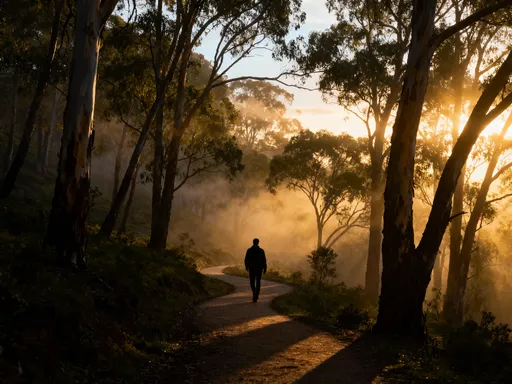
Imagine starting your day with a walk along the River Torrens, the water reflecting soft morning light as cyclists glide past and ducks drift lazily downstream. The path winds through native reeds and paperbarks, with the occasional kookaburra laughing from a eucalyptus branch. There’s no rush, no timetable—just the rhythm of your footsteps and the rustle of leaves. Later, you might linger at a small café nestled in the Park Lands, sipping tea with a view of Mount Lofty in the distance. These moments aren’t luxuries; they’re part of the city’s everyday fabric. Because Adelaide is small enough to navigate on foot or by bike, yet large enough to offer variety, it allows travelers to immerse rather than skim. You can spend a full morning in a single park, return the next day, and notice something new—the way light hits a certain tree, the sound of a different bird, the scent of wattle in bloom.
What makes this city exceptional for slow travel is not just its layout, but its culture. There’s a prevailing sense of calm, a respect for balance between urban life and the natural world. Locals don’t treat nature as a weekend escape; it’s woven into daily routines. Children walk to school through shaded paths, office workers take lunch breaks under gum trees, and families gather in parks for evening picnics. This mindset shapes the visitor experience, encouraging a slower, more attentive way of moving through the landscape. By aligning with this rhythm, travelers gain more than sightseeing—they gain a deeper connection to place, one built on repeated visits, quiet observation, and sensory awareness.
Mount Lofty: Where the City Meets the Sky
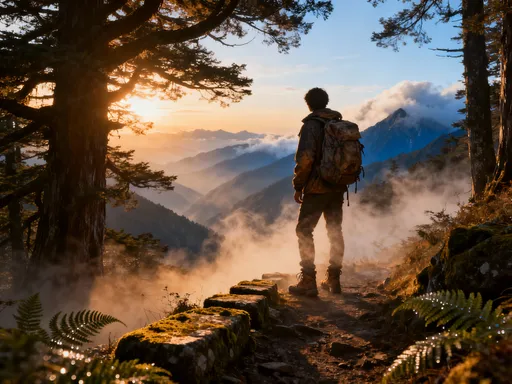
Rising 710 meters above sea level, Mount Lofty stands as Adelaide’s most iconic natural landmark. But it’s not just a viewpoint—it’s a portal into a cooler, greener world just minutes from the city. The ascent through the Mount Lofty Botanic Garden is an experience in itself. On misty mornings, fog clings to the trunks of towering blue gums, their bark peeling in long ribbons. Ferns unfurl in damp corners, and the air carries the crisp, clean scent of eucalyptus and wet soil. The garden, managed by the Botanic Gardens of South Australia, spans over 100 hectares and showcases both native and exotic species, but it’s the native flora that truly sings here—waratahs in spring, banksias in autumn, and the occasional sighting of a crimson rosella flitting between branches.
At the summit, the world opens up. On a clear day, the view stretches from the Adelaide plains to the sparkling expanse of Gulf St Vincent, with the Fleurieu Peninsula rising in the distance. To the east, the Adelaide Hills unfold in rolling waves of forest and farmland. It’s a panorama that invites stillness, a moment to simply stand and absorb. Yet the true value of Mount Lofty isn’t just in the vista—it’s in the journey. Most visitors arrive by car, rush to the lookout, take a photo, and leave. But the slow traveler lingers. They might take the trail through the gorge below the summit, where creek beds gurgle after rain and lyrebirds scratch through leaf litter. They might time their visit for autumn, when golden light filters through turning leaves, or for winter, when frost dusts the grass and the air is sharp with cold.
Staying longer allows for deeper discoveries. Just a short drive away, the village of Cudlee Creek offers quiet walking trails through private reserves and orchards. Local farms sell fresh apples, honey, and preserves—perfect for a roadside picnic with a view. These experiences aren’t marketed heavily, but they’re cherished by those who seek them. By choosing to move slowly, to return in different seasons, to explore beyond the main paths, visitors begin to feel the pulse of the place. Mount Lofty isn’t just a destination; it’s a living landscape that changes with the light, the weather, the time of year. And in that change, there is a quiet invitation—to slow down, to notice, to remember.
Belair National Park: Adelaide’s Oldest Escape
Established in 1891, Belair National Park holds the distinction of being South Australia’s first protected area. Just 13 kilometers from the city center, it’s a sanctuary of stringybark forests, rocky outcrops, and hidden waterfalls. Unlike more remote parks, Belair offers a rare blend of accessibility and wilderness, making it ideal for both families and solitude seekers. The park’s network of trails ranges from gentle loops suitable for strollers to rugged ridgelines that challenge even seasoned hikers. One of the most beloved routes leads to Morialta Falls, where seasonal water tumbles over layered sandstone. In winter and spring, the falls are full and thunderous; in summer, they reduce to a delicate trickle, revealing moss-covered rocks and sun-warmed ledges perfect for resting.
The sensory experience of walking through Belair is profound. The crunch of dry leaves underfoot, the scent of damp bark after a shower, the sudden flash of a grey kangaroo bounding into the trees—these are the moments that define slow travel. Birdlife is abundant: crimson rosellas, superb fairy-wrens, and the occasional peregrine falcon circling above. Early morning is the best time to visit, when mist lingers in the valleys and the light is soft and golden. The cooler temperatures make walking comfortable, and the park is quieter, allowing for uninterrupted connection with nature. For those seeking solitude, the First Falls walking trail offers a more secluded experience, winding through dense forest and crossing wooden footbridges over clear streams.
Belair also holds historical charm. The former park keeper’s cottage has been restored and now serves as a small museum, offering insight into the park’s conservation legacy. Picnic areas with barbecues and shelters make it a favorite for family outings, yet even on busy days, a short walk into the bush brings quiet. The park’s proximity to the city means it can be visited repeatedly, allowing travelers to observe seasonal shifts—the first wildflowers of spring, the deep green of summer foliage, the golden hues of autumn. This kind of repeated engagement fosters a deeper relationship with place, transforming a park from a scenic backdrop into a living, breathing companion in one’s journey.
The Barossa Valley: Beyond Wine, Into Landscape
When most people think of the Barossa Valley, they picture vineyards and cellar doors. And while the region is renowned for its Shiraz and historic winemaking traditions, its true beauty lies in the landscape itself. Rolling hills draped in vines, ancient river red gums standing sentinel in paddocks, and fields of wheat shimmering under the summer sun—this is a place shaped by both nature and generations of care. Slow travel here means stepping off the tasting bench and into the fields, where the rhythm of the land becomes your guide.
Cycling or walking between vineyards offers a completely different perspective. Quiet country roads, shaded by peppermint gums and dotted with wildflowers, connect wineries in a way that driving never can. You notice the slope of the land, the way sunlight hits a particular slope at noon, the sound of bees in clover. The Barossa Valley Tourist Drive includes dedicated paths like the Riesling Trail, a 40-kilometer route from Tanunda to Angaston that follows an old railway line. It’s flat, well-maintained, and passes through some of the most picturesque countryside in South Australia. Along the way, you might stop at a roadside stall for fresh apricots or pause at Jacobs Creek, where a boardwalk winds through wetlands teeming with birdlife—herons, kingfishers, and the occasional black swan gliding across the water.
But slow travel in the Barossa isn’t just about movement—it’s about connection. Sitting under an oak tree with a platter of local cheese, olives, and crusty bread, you begin to taste the land itself. The salt in the cheese echoes the mineral-rich soil, the tang of the olives reflects the Mediterranean climate, and the bread carries the scent of sun-baked grain. These flavors are not separate from nature; they are its expression. Farmers’ markets in towns like Nuriootpa and Lyndoch offer seasonal produce—stone fruits in summer, pumpkins in autumn, asparagus in spring—each item a testament to the valley’s fertility. By taking time to savor these moments, to eat outdoors, to talk with growers, visitors move beyond consumption and into communion with the land.
Onkaparinga River Recreation Park: Wild Edges Close to Home
Just 30 minutes south of Adelaide, the Onkaparinga River Recreation Park offers a striking contrast to the city’s calm. Here, the river has carved a deep gorge through sandstone, creating a landscape of rugged cliffs, native scrub, and winding waterways. It’s a place of raw beauty, where the forces of water and time are visibly at work. The park spans over 1,200 hectares and includes a mix of walking trails, river access points, and conservation zones. Unlike more developed parks, Onkaparinga retains a sense of wildness—reptiles sun themselves on rocks, echidnas nose through leaf litter, and water dragons dart into the river when startled.
Hiking options range from the easy Riverglades Trail, which follows the riverbank through tall gums and paperbarks, to the more challenging Sheoak Trail, which climbs to ridge-top views of the gorge. The park is especially beautiful after rain, when waterfalls spill over the cliffs and the air is thick with the scent of wet earth and eucalyptus. Greenhills Adventure Park, located within the recreation area, offers safe swimming spots in calm pools, making it a favorite for families in summer. But even on busy days, a short walk upstream brings quiet and solitude.
One of the greatest gifts of Onkaparinga is its proximity. Because it’s so close to the city, it allows for repeat visits—something essential to slow travel. You can come in spring to see wildflowers, in autumn to watch leaves turn, in winter to hear the river roar after storms. Each visit deepens your understanding of the place. You begin to recognize certain trees, anticipate bird calls, notice how the light changes with the seasons. This kind of familiarity transforms a park from a destination into a companion. It also fosters stewardship—when you know a place intimately, you’re more likely to care for it. The park’s management emphasizes minimal-impact practices, encouraging visitors to stay on trails, avoid feeding wildlife, and carry out all waste. These small acts, multiplied by thousands, help preserve the park’s wild heart for future generations.
Fleurieu Peninsula: Coastal Breath and Dune Systems
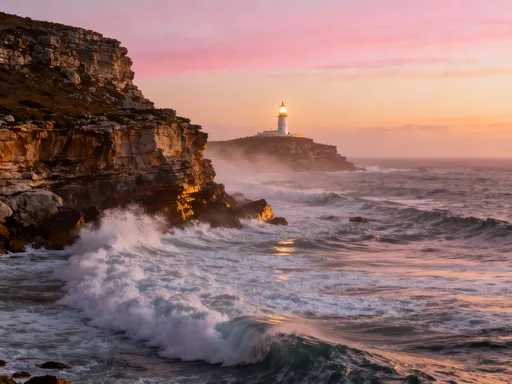
Stretching south from Adelaide, the Fleurieu Peninsula is where the land meets the sea in dramatic fashion. Its coastline is a mosaic of granite boulders, windswept dunes, and sheer cliffs that plunge into the Southern Ocean. Places like Victor Harbor, with its iconic granite islands and resident pod of southern right whales (in season), offer accessible beauty. But the true essence of the peninsula reveals itself in quieter moments: a walk along Waitpinga Beach at dawn, when the wind sculpts the dunes and the only sound is the crash of waves; a hike through Deep Creek Conservation Park, where coastal heath gives way to towering stringybarks and the trail ends at a cliffside lookout with panoramic ocean views.
Slow travel along the Fleurieu means moving with the tides, the weather, the seasons. It means timing a walk to coincide with low tide, when rock pools teem with life—crabs, sea stars, anemones in jewel-like colors. It means watching for whales from the headlands between June and October, when mothers and calves rest in the sheltered bays. It means packing light—water, snacks, a windbreaker—and being ready to change plans if the weather shifts. The coast here is powerful, unpredictable, and deeply beautiful. It demands respect, but rewards patience.
The dune systems of the peninsula are particularly fragile and vital. They protect inland areas from storm surges and provide habitat for native plants and animals. Conservation efforts focus on dune restoration, with community groups planting spinifex and other native grasses to stabilize the sand. Visitors are encouraged to stay on boardwalks and designated paths, avoiding trampling sensitive vegetation. These practices aren’t restrictions—they’re invitations to engage more thoughtfully. When you walk lightly, you notice more: the track of a bandicoot in the sand, the call of a hooded plover, the way the light shifts on the water. The Fleurieu Peninsula isn’t a place to conquer; it’s a place to listen, to observe, to be present.
Why Slow Travel Rewires Your Relationship with Nature
What happens when you stop rushing through nature? Science and experience agree: something profound shifts. Studies have shown that spending time in natural environments reduces cortisol levels, lowers blood pressure, and improves mood. But slow travel goes further—it changes not just how you feel, but how you see. When you move slowly, your senses sharpen. You notice the pattern of bark on a tree, the way light filters through leaves, the sound of a bird you’ve never heard before. These micro-moments accumulate into a deeper awareness, a sense of being part of something larger.
In Adelaide’s diverse ecosystems—from the forests of the Mount Lofty Ranges to the dunes of the Fleurieu Peninsula—this kind of mindful immersion is not only possible but natural. Each landscape offers a different rhythm, a different invitation. The hills call for quiet contemplation, the river for playful exploration, the coast for awe. By choosing to spend more time in fewer places, you allow these rhythms to settle into your bones. You begin to recognize patterns, anticipate changes, form attachments. A favorite tree becomes a landmark, a certain birdcall a greeting, a walking trail a familiar conversation.
This shift in perception is transformative. Nature stops being a backdrop and becomes a living dialogue. You stop seeing it as something to consume—“I’ve seen the view, checked the box”—and start experiencing it as something to engage with. You learn to read weather cues, respect nesting seasons, appreciate the quiet resilience of native plants. And in doing so, you cultivate a deeper sense of care. Slow travel isn’t just good for the traveler; it’s good for the places we visit. When we move with care, stay longer, return often, we become stewards rather than spectators.
So if you’re planning a trip to Adelaide, consider this: don’t try to see it all. Choose one park, one valley, one stretch of coast. Visit it more than once. Go in different seasons. Sit quietly. Listen. Let the landscape speak. Because the wild heart of Adelaide isn’t found in a checklist—it’s discovered in the stillness between footsteps, in the breath before a sunrise, in the moment you realize you’re no longer just passing through, but truly present.