Hair SOS: What I Ate to Stop the Breakage (And What You Should Skip)
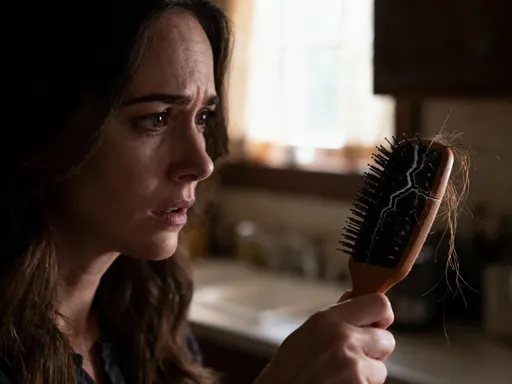
You know that moment when you pull your hair into a ponytail and suddenly—chunks come out in your hand? I’ve been there, staring at the sink, heart sinking. After years of thinning, brittleness, and zero growth, I dug into the science of hair health. Turns out, what I wasn’t eating mattered just as much as what I was. This isn’t about miracle cures—it’s about real, daily choices. Let’s talk about the foods quietly sabotaging your strands and the ones that can help rebuild them from within. Hair isn’t just a beauty issue; it’s a mirror of what’s happening inside your body.
The Hidden Culprit Behind Thin, Weak Hair
Hair loss, breakage, and lack of growth are often dismissed as aging or stress-related changes, especially among women over 30. But while time and tension play roles, one of the most overlooked contributors is nutrition. Hair is made of keratin, a protein that requires consistent building blocks from the diet. When the body lacks essential nutrients, it prioritizes vital organs over hair follicles. The result? Slower growth, increased shedding, and strands that snap easily.
Unlike skin or nails, hair reflects nutritional status over a longer timeline—typically three to six months. This delayed feedback loop means that by the time you notice thinning or dullness, the deficiency may have been developing for months. Many women mistakenly believe that expensive shampoos or serums can reverse these signs. While topical treatments can improve texture and appearance temporarily, they do not address the internal foundation of hair strength.
Common warning signs of nutrition-related hair issues include increased shedding during washing or brushing, a thinner ponytail, brittle ends, slow regrowth after a haircut, and a lack of shine. These are not simply cosmetic concerns—they are signals from your body that something is off. And more often than not, the root cause isn’t genetics or hormones alone, but what’s on your plate.
Why Your Plate Matters More Than Your Shampoo
The hair growth cycle consists of three phases: anagen (growth), catagen (transition), and telogen (resting). For healthy hair, follicles must remain in the anagen phase for as long as possible—ideally two to seven years. Nutrition directly influences this cycle by supporting protein synthesis, cell turnover, and hormone balance. Without adequate fuel, the cycle shortens, pushing more hairs into shedding mode.
Several key nutrients are essential for maintaining strong, resilient hair. Biotin, also known as vitamin B7, supports keratin production and is often associated with hair and nail strength. Iron, particularly in the form of ferritin (the stored version), is crucial because low levels—even without full-blown anemia—have been linked to hair thinning in women. Zinc plays a role in hair tissue growth and repair, and deficiencies can lead to both shedding and slowed regrowth.
Vitamin D is another critical player. Research shows that many women with hair loss have lower than optimal vitamin D levels. This vitamin helps create new follicles and supports the hair cycle. Omega-3 fatty acids, found in fatty fish and certain seeds, reduce inflammation and nourish the scalp, improving both hair density and moisture. Finally, amino acids—the building blocks of protein—are fundamental. Without sufficient dietary protein, the body cannot produce enough keratin, leading to weak, fine strands.
The scientific consensus is clear: nutritional deficiencies can disrupt follicle function and compromise the integrity of the hair shaft. While genetics and hormonal shifts like those during menopause are important, they do not operate in isolation. A nutrient-poor diet can worsen genetic predispositions and amplify hormonal imbalances. This is why addressing diet is not an alternative to medical care—it’s a necessary complement.
The 5 Common Foods That May Be Harming Your Hair
While much attention is given to what you should eat for healthy hair, less is said about what might be doing harm. Certain foods, especially when consumed in excess, can interfere with nutrient absorption, increase inflammation, or disrupt hormone balance—all of which negatively affect hair health.
First on the list is processed sugar. Foods high in refined sugars—like pastries, sodas, and candy—cause rapid spikes in blood glucose and insulin. Over time, this high glycemic load can trigger chronic inflammation and insulin resistance. Both conditions have been linked to hormonal imbalances that affect the hair follicle, including increased production of androgens like DHT (dihydrotestosterone), which can shrink follicles and shorten the growth phase. Additionally, sugar can deplete the body’s stores of vitamin B1 and other nutrients vital for energy metabolism and cell health.
Second is excess selenium or vitamin A, particularly from supplements rather than food. While both nutrients are important—selenium supports thyroid function and antioxidant defense, and vitamin A aids in sebum production—too much can backfire. High-dose supplements of vitamin A, for example, have been associated with hair loss. The body stores fat-soluble vitamins, so they can accumulate to toxic levels. It’s rare to get too much from food alone, but supplement misuse is common. Always consult a healthcare provider before starting high-dose vitamins.
Third are fried and trans fat-rich foods. Think deep-fried snacks, margarine, and processed baked goods. These fats promote oxidative stress and impair blood circulation, including to the scalp. Poor circulation means fewer nutrients and oxygen reach the hair follicles. Trans fats also increase LDL (bad) cholesterol and inflammation, both of which are linked to poor tissue health. Over time, this environment weakens the follicle and makes hair more prone to breakage.
Fourth is high-mercury seafood. Certain fish, such as swordfish, shark, king mackerel, and large tuna, contain elevated levels of mercury due to bioaccumulation. Mercury is a heavy metal that can interfere with cellular function and damage hair follicles. While fatty fish like salmon are excellent for hair due to their omega-3 content, it’s wise to choose low-mercury options and vary your sources. The U.S. Food and Drug Administration recommends limiting high-mercury fish, especially for women of childbearing age, but the advice applies to long-term health for all adults.
Fifth is excessive alcohol consumption. Alcohol interferes with the absorption and storage of several key nutrients, including zinc, magnesium, and B vitamins—especially folate and B12. These nutrients are essential for DNA synthesis and red blood cell production, both of which support healthy hair growth. Alcohol also dehydrates the body, leading to dry, brittle hair. Even moderate drinking over time can contribute to nutrient imbalances, especially if the overall diet is lacking in variety.
Hidden Triggers in Everyday Diets
Beyond the obvious culprits, there are subtler dietary patterns that can quietly undermine hair health. One often-misunderstood example is goitrogenic foods—such as raw cruciferous vegetables like broccoli, kale, and cabbage. These contain compounds that can interfere with thyroid function by inhibiting iodine uptake. Since the thyroid regulates metabolism and hair growth, any disruption can lead to shedding.
However, this is only a concern in the context of existing iodine deficiency and very high intake of raw cruciferous vegetables. For most women with a balanced diet and adequate iodine—found in iodized salt, dairy, and seafood—eating cooked kale or steamed broccoli is not only safe but beneficial. Cooking reduces goitrogenic activity, and these vegetables are rich in antioxidants, fiber, and vitamins that support overall health. The key is moderation and preparation.
Another hidden issue is very low-fat diets. In the past, low-fat eating was promoted for weight control, but we now understand that dietary fat is essential for absorbing fat-soluble vitamins: A, D, E, and K. Without enough healthy fats—like those from avocados, nuts, seeds, and olive oil—the body struggles to utilize these vitamins, even if they’re present in the diet. Vitamin E, for instance, protects hair from oxidative damage, and vitamin A supports sebum production. A chronically low-fat intake can therefore lead to deficiencies that manifest as dry, fragile hair.
Restrictive eating patterns are another major trigger. Diets that are extremely low in calories, eliminate entire food groups, or follow aggressive detox trends can lead to a condition called telogen effluvium. This is a form of temporary hair shedding triggered by physical or nutritional stress. The body, sensing scarcity, shifts more hair follicles into the resting phase as a survival mechanism. Months later, this results in noticeable shedding. While telogen effluvium is usually reversible, it can be emotionally distressing and is entirely preventable with balanced, sustainable eating.
The takeaway is not to fear any single food, but to recognize that context matters. Moderation, variety, and balance are the foundations of a hair-healthy diet. Eliminating entire food groups or over-relying on processed ‘diet’ foods can do more harm than good. Hair thrives on consistency, not extremes.
What to Eat Instead: Building a Hair-Healthy Diet
The best approach to supporting hair health is to focus on whole, nutrient-dense foods that provide a broad spectrum of essential nutrients. This isn’t about perfection or strict rules—it’s about making consistent, nourishing choices that support your body over time.
Eggs are a powerhouse food for hair. They contain high-quality protein, biotin, selenium, and B vitamins—all in one affordable, versatile package. The yolk, in particular, is rich in fats that help absorb fat-soluble vitamins. Including eggs a few times a week can make a meaningful difference in hair strength and growth.
Fatty fish like salmon, sardines, and mackerel (low-mercury varieties) are excellent sources of omega-3 fatty acids and vitamin D. These nutrients work together to reduce scalp inflammation, support follicle health, and improve hair density. Aim for two servings per week to maintain optimal levels.
Leafy greens such as spinach, Swiss chard, and collard greens are rich in iron, folate, and vitamin C. Iron from plant sources (non-heme iron) is not as easily absorbed as iron from meat, but pairing it with vitamin C-rich foods—like bell peppers, citrus, or tomatoes—boosts absorption significantly. A simple spinach salad with lemon vinaigrette is a great example of nutrient synergy.
Nuts and seeds, especially almonds, walnuts, flaxseeds, and pumpkin seeds, offer zinc, selenium, vitamin E, and healthy fats. Pumpkin seeds, in particular, are a rich source of zinc, which is often low in women with hair loss. A small handful a day can help maintain nutrient levels without excess calories.
Legumes like lentils, chickpeas, and black beans provide plant-based protein, iron, and zinc. They’re also high in fiber, which supports gut health—an emerging area of interest in hair wellness. A healthy gut improves nutrient absorption, ensuring that what you eat actually reaches your hair follicles.
Lean proteins such as chicken, turkey, and tofu ensure a steady supply of amino acids. Since hair is primarily protein, regular intake is essential. Skipping meals or relying on low-protein snacks can leave the body without the raw materials it needs to maintain hair structure.
Finally, staying hydrated is critical. Water supports every bodily function, including circulation to the scalp and nutrient delivery. Dehydration can make hair look flat and feel dry. While beverages like herbal tea and water-rich fruits and vegetables contribute to fluid intake, plain water remains the best choice.
The goal is not to eat perfectly every day, but to build a pattern of eating that consistently supports your health. Think of your diet as a long-term investment in your body’s resilience. Over time, these choices add up to stronger, shinier, more resilient hair.
Lifestyle Synergy: Sleep, Stress, and Hair Health
Diet is a powerful tool, but it doesn’t work in isolation. Hair health is influenced by a combination of factors, and lifestyle plays a crucial role. Two of the most impactful are sleep and stress management.
Chronic stress elevates cortisol, the body’s primary stress hormone. High cortisol levels can disrupt the hair growth cycle, pushing more follicles into the shedding phase. Stress can also increase the production of androgens, which, as mentioned earlier, can contribute to hair thinning. While some stress is unavoidable, how you manage it makes a difference. Practices like mindfulness, deep breathing, gentle movement, and spending time in nature can help regulate cortisol and support hormonal balance.
Sleep is equally important. During deep sleep, the body repairs tissues, balances hormones, and regenerates cells—including those in the scalp. Poor or inconsistent sleep can interfere with these processes, weakening hair over time. Aim for seven to eight hours of quality sleep per night. Creating a calming bedtime routine, limiting screen time before bed, and maintaining a consistent sleep schedule can improve sleep quality significantly.
Physical activity also supports hair health indirectly. Regular movement improves circulation, helping deliver oxygen and nutrients to the scalp. It also helps regulate insulin and reduce inflammation. You don’t need intense workouts—brisk walking, yoga, or gardening can be enough to make a difference.
The key is consistency and balance. Extreme exercise, like long-distance running without adequate fuel, can become a stressor and trigger shedding. Likewise, skipping meals to ‘earn’ exercise can backfire. The goal is to support your body, not push it to the edge.
When diet, sleep, and stress management work together, they create a supportive environment for healthy hair. Think of them as pillars of a strong foundation. No single change will transform your hair overnight, but over months, these habits can lead to visible improvements.
When to Seek Professional Help
While dietary and lifestyle changes can make a significant difference, they are not a substitute for medical evaluation. If you experience sudden, severe hair loss, patchy baldness, or changes that disrupt your daily life, it’s important to consult a healthcare provider.
Several underlying conditions can cause hair loss and require diagnosis and treatment. Thyroid disorders, such as hypothyroidism or Hashimoto’s disease, are common culprits, especially in women over 40. Polycystic ovary syndrome (PCOS) can lead to hormonal imbalances that affect hair growth. Autoimmune conditions like alopecia areata cause patchy hair loss and require specialized care.
Deficiencies in iron, vitamin B12, or vitamin D may not always be obvious through symptoms alone and often require blood tests to detect. A doctor can order the appropriate tests and recommend evidence-based treatments, which may include supplements, medications, or referrals to specialists like dermatologists or endocrinologists.
It’s also important to review any medications you’re taking. Some drugs used for blood pressure, depression, or arthritis can have hair loss as a side effect. Never stop medication without consulting your doctor, but do discuss any concerns you have.
The goal of seeking professional help is not to find a quick fix, but to understand the full picture. A healthcare provider can help distinguish between temporary shedding and more persistent conditions, guide appropriate treatment, and support your overall health. Dietary changes are most effective when they complement, rather than replace, medical care.
Small Shifts, Stronger Strands
Hair health is not about drastic diets, expensive treatments, or chasing perfection. It’s about making small, sustainable shifts that honor your body’s needs. Every meal is an opportunity to nourish from within—not just for your hair, but for your overall well-being.
Instead of focusing on restriction, think in terms of addition. Add a serving of leafy greens to your lunch. Include fatty fish twice a week. Swap sugary snacks for nuts or yogurt. These choices may seem small, but over time, they build a foundation of strength.
Remember, hair is a long-term reflection of your internal health. It takes months to see changes, so patience is essential. Avoid comparing your progress to others or expecting overnight results. Real change happens gradually, through consistent care.
Finally, be kind to yourself. Hair loss can feel personal, even when it’s rooted in biology. It’s okay to feel frustrated, but don’t let it define your worth. Taking steps to support your health is an act of self-care, not vanity. When you feed your body well, manage stress, and prioritize rest, you’re not just improving your hair—you’re nurturing a healthier, more resilient version of yourself.
The journey to stronger strands begins with what you eat, but it extends far beyond the plate. It’s about listening to your body, seeking support when needed, and making choices that reflect your commitment to long-term wellness. And that’s a promise worth keeping.